




Dental veneers are thin, custom-made shells that fit over the front of your teeth and are designed to improve your smile. They effectively address problems such as staining, chipping, and spacing issues.
Veneers are mainly created from porcelain or composite resin materials. Porcelain veneers last the longest and provide the most natural appearance, whereas composite veneers tend to be more affordable but may need to be replaced sooner.
To maximize the lifespan of dental veneers, it’s important to prioritize their care. Diligent oral hygiene practices and routine check-ups are vital in preventing potential damage and keeping your veneers looking their best for years to come.
What can cause damage to dental veneers?
1. Teeth grinding
Teeth grinding, also known as bruxism, is the involuntary clenching or grinding of teeth and often occurs while sleeping or during periods of stress. The excessive force exerted on the teeth can lead to chips, cracks, or even complete fractures of the veneers.
People who grind their teeth may not know they are doing it until they notice symptoms such as jaw pain, headaches, or worn-down enamel.
The best ways to protect your veneers from the effects of bruxism are by wearing a night guard and by implementing relaxation techniques.
A custom-fitted night guard acts as a protective barrier between your upper and lower teeth while you sleep, absorbing the pressure from grinding.
Introducing relaxation methods into your daily routine can significantly reduce anxiety and stress levels. Practices such as mindfulness, meditation, yoga, or deep-breathing exercises can help alleviate tension in your jaw and minimize the likelihood of grinding.
2. Certain foods
While veneers are designed to withstand normal wear and tear, certain foods and beverages can lead to damage or discoloration.
Foods to avoid with temporary veneers:
- Sticky foods: Chewing gum, taffy, and caramels can easily dislodge temporary veneers. The adhesive used for these veneers is not as strong as that for permanent ones, making them more susceptible to being pulled off.
- Crunchy and hard foods: Raw vegetables, nuts, seeds, and hard candies can put excessive pressure on temporary veneers. Biting into these foods may result in chips or even complete detachment.
- Tough meats: Chewy meats, particularly those with bones, can crack or loosen temporary veneers because of the force required to chew them.
- Staining foods and drinks: Temporary veneers are more prone to becoming stained by curries, tomato sauces, coffee, tea, red wine, and berries. These substances can seep into the material and cause discoloration.
Foods to avoid with permanent veneers:
- Hard foods: Biting directly into hard items such as ice or bone-in meats can chip or crack your veneers. We recommend cutting hard foods into smaller pieces before eating.
- Anything acidic: Citrus fruits and sodas can erode and weaken the bond between the veneer and the tooth.
- Pigmented foods and beverages: Just like with temporary veneers, permanent ones can also become discolored over time. Limit your intake of dark foods and drinks in order to maintain their brightness.
- Extreme temperatures: Consuming very hot or very cold foods and drinks can stress the bonding material.
3. Using teeth as tools
Using your teeth for tasks other than chewing food can be detrimental.
Veneers are not designed to withstand the pressure and force of tearing or prying objects. Repeated misuse of your teeth can weaken the bond between the veneer and your tooth, resulting in loose, chipped, cracked, or completely detached veneers.
Avoid the temptation to use your teeth as tools.
4. Poor oral hygiene
Practicing good oral hygiene is crucial for protecting both the health and aesthetics of dental veneers.
On the other hand, neglecting your dental care can lead to a range of issues such as decay under the veneers and gum disease.
To ensure your veneers remain in the best condition, you should:
- Brush your teeth twice daily with a gentle, non-abrasive toothpaste and a soft-bristled toothbrush.
- Make sure to floss at least once a day, being particularly gentle around the edges of your veneers.
- Use an antibacterial mouthwash to help decrease bacteria in your mouth.
5. Accidents or trauma
Accidental falls or sports-related incidents can result in direct trauma to the mouth, affecting both your natural teeth and veneers.
If you participate in contact sports or activities with a risk of facial impact, wear a custom-fitted mouthguard.
If you experience any trauma to your mouth, schedule an appointment with your dentist as soon as possible. Early intervention can prevent further damage and ensure that any necessary repairs are made quickly.
6. Improper placement
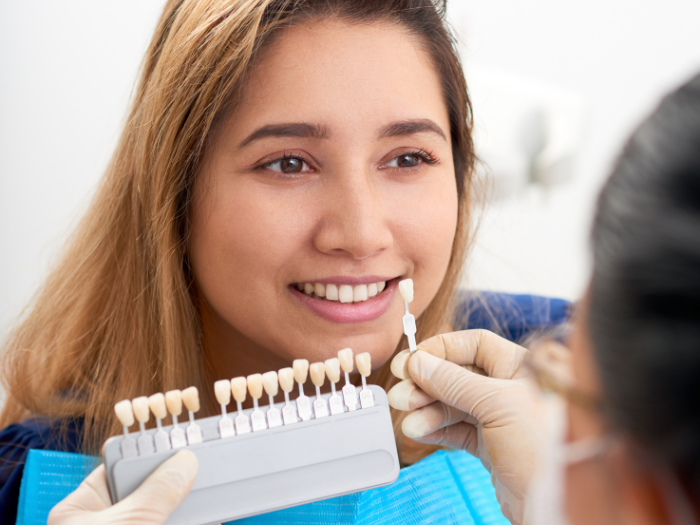
The success and longevity of dental veneers heavily depend on their proper placement and fit.
Veneers that are not correctly aligned or bonded may be more susceptible to chipping or cracking, general discomfort, uneven pressure points, and irritation to the gums and surrounding teeth. Over time, this can lead to inflammation or even gum recession.
To ensure your veneers are correctly placed, you should choose a skilled dentist to perform this procedure. Dr. Delwyn Dick, DDS, at Kootenai Dental Group in Coeur d’Alene, ID, has over 25 years of experience in cosmetic dentistry and has earned a great reputation for dental implants, veneers, bridges, and other dental treatments.
Before your veneer placement, you will have a one-on-one consultation in which you can discuss your smile goals and ask Dr. Delwyn Dick, DDS any questions.
7. Oral health issues
Underlying oral health problems, like tooth decay or gum disease, can weaken the foundation on which the veneers are placed and therefore impact their longevity and effectiveness.
If cavities develop in the teeth beneath your veneers, they can compromise the bond between the veneer and the tooth, thereby leading to loosening or detachment. Conditions like gingivitis or periodontitis can cause gums to recede, exposing the edges of the veneers and affecting their stability and appearance.
To prevent issues like these, you should schedule routine dental check-ups and professional cleanings. During these appointments, we will be able to detect early signs of decay or gum disease and address them promptly.
You should also maintain a consistent oral hygiene routine and stick to a healthy balanced diet low in sugars and acids.
8. Allergic reactions
While very uncommon, some people might have allergic reactions to the materials used in dental veneers. Sensitivities to the resin or bonding agents can cause localized swelling, redness, itching, or irritation in the mouth.
Before getting veneers, inform your dentist about any known allergies or sensitivities, this way they can recommend different types of bonding agents or veneer materials that are hypoallergenic.
9. Excessive staining
Dental veneers can become discolored due to exposure to certain foods, beverages, and habits. While permanent veneers are designed to resist staining, the bonding material and edges can still be affected.
To keep your veneers looking bright and stain-free, you should:
- Limit your intake of highly pigmented foods like berries, coffee, tea, and curries. When you do consume them, rinse your mouth with water afterward to minimize their impact. When drinking beverages like coffee or tea, you could also use a straw to bypass the front surfaces of your teeth and reduce direct contact with your veneers.
- Quit smoking and using any tobacco products. Nicotine and tar leave yellow or brownish stains that are difficult to remove.
- Schedule regular dental cleanings to polish your teeth and address any minor stains.
10. Degradation of bonding material
Over time, the bonding agents used to attach veneers can degrade due to moisture infiltrating the bonding surface, temperature fluctuations from very hot or cold foods, or consuming acidic foods and drinks. This degradation can weaken the bond between the veneer and the tooth, potentially leading to veneer failure.
If you experience any of the following symptoms, call our office for a revision appointment.
- Your veneers start feeling loose or shifting slightly
- Gaps appear between the veneer and tooth surface
- Feeling increased sensitivity in the teeth
Routine dental visits are important for identifying early signs of bonding degradation, however, immediate attention to these symptoms is necessary to prevent further complications.
Signs your veneers need to be repaired or replaced
These are some indicators that it may be necessary to replace or repair your veneers.
- Visible damage such as chips, cracks, or rough edges
- Discoloration
- Gaps or looseness
- Discomfort
- Signs of wear like changes in texture and increased tooth sensitivity
When properly cared for, porcelain dental veneers can last over 20 years.
To extend the life of your veneers, it’s important to schedule professional dental cleanings and routine check-ups every six months. Consistent dental care helps preserve the appearance and functionality of your veneers long-term.
At Kootenai Dental Group in Coeur d’Alene, ID, Dr. Delwyn Dick, DDS, provides personalized dental treatments designed to help you achieve your ideal smile and maintain excellent oral health.
Contact our office at 208-762-8750 today to book your free consultation and discover how veneers can improve your smile.