




Dental implants provide a highly effective way to restore missing teeth. They not only restore the appearance of your smile but also function just like natural teeth, allowing you to chew and speak comfortably. With proper care, implants can last a lifetime.
However, caring for dental implants is not exactly the same as caring for natural teeth. Because implants attach directly to the jawbone and do not have a periodontal ligament, they require slightly different maintenance to stay healthy.
In this article, we will explain how caring for dental implants differs from caring for natural teeth.
We will also discuss the best ways to clean them at home, what we look for during professional maintenance visits, and everyday habits that will help protect your implants for many years.
How Dental Implants Differ from Natural Teeth
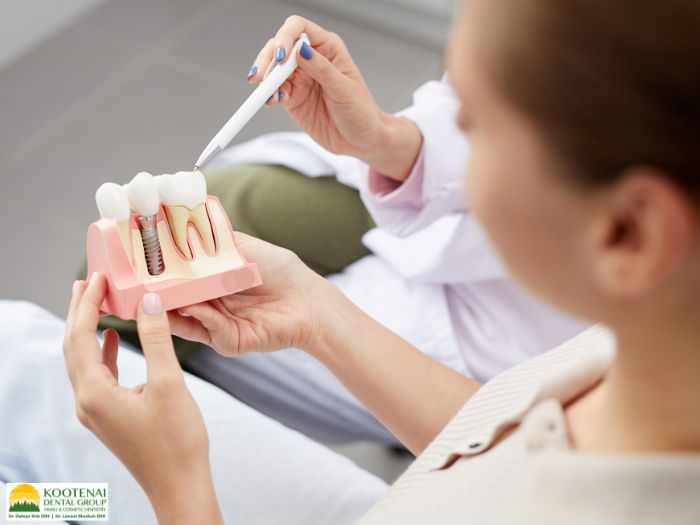
Even though dental implants closely resemble natural teeth, there are key differences in how they interact with your body. A natural tooth has a root that is cushioned and supported by the periodontal ligament, which contains fibers and blood vessels. These structures provide sensory feedback, help resist chewing forces, and allow early detection of infection.
Dental implants, by contrast, are made of titanium or zirconia and fuse directly to the jawbone through a process called osseointegration. Since implants are not supported by a periodontal ligament, they don’t have the same built-in protective mechanisms that natural teeth do. This means that if plaque and bacteria build up around an implant, the tissues are more vulnerable to inflammation and bone loss.
This condition, known as peri-implantitis, can progress more quickly than gum disease around natural teeth. That’s why individuals with implants need to commit to consistent oral care at home and routine professional check-ups.
Daily Care for Dental Implants
The most effective way to maintain the health of your implants is through consistent daily oral hygiene. Brushing and flossing are similar to caring for natural teeth, but there are key techniques that help protect your implants and the surrounding tissues.
Brushing Implants
Clean your dental implants twice daily with a soft-bristled toothbrush. Firm or stiff bristles can wear down the crown and cause unnecessary irritation to the gums that support your implant.
Electric toothbrushes are often more effective at removing plaque, especially along the gum line and in areas that are harder to reach.
Choose a mild, non-abrasive toothpaste, as overly harsh or gritty formulas can damage the surface of an implant over time. A gentle over-the-counter option is all you need for safe, everyday cleaning.
Flossing
Flossing is just as essential for implants as it is for natural teeth, but it’s important to use the correct type of floss and technique.
Standard floss can sometimes shred or get stuck around implants, so we recommend special implant-safe floss, a water flosser, or super floss.
Water flossers are not a substitute for brushing, but they are an excellent addition to your home care routine. A steady stream of water can flush out food particles and bacteria from areas that are difficult to reach with floss.
Interdental Brushes
Interdental brushes with soft, coated wires can also be very effective for cleaning between implants and adjacent teeth. Choose brushes that are soft and sized to fit comfortably between your teeth and implants, since brushes that are too stiff or large can irritate your gums.
Mouth Rinses
Using an antimicrobial mouth rinse can help reduce bacteria and lower the risk of gum inflammation around your implants. Alcohol-free rinses are usually best, as alcohol-based formulas can dry out and irritate the gums over time.
Coconut oil pulling can also be a gentle and natural way to support oral health. Swishing a small amount of coconut oil in your mouth for a few minutes can help reduce bacteria and promote healthier gums.
Mouth rinses should be used as a complement to, not a replacement for, brushing and flossing.
Habits That Protect Dental Implants
The way you care for your implants each day and the lifestyle choices you make have a direct impact on the long-term success of your dental implants. Adopting the following habits can help ensure that they remain strong and functional for many years.
Quit Smoking
Smoking is one of the leading risk factors for implant failure. It decreases blood flow to the gums, slows the healing process, and can interfere with the integration of the implant into the jawbone.
Even years after placement, smoking increases the likelihood of peri-implant disease and bone loss. If you smoke, quitting is the single most effective step you can take to protect your implants and improve your overall oral health.
Manage Medical Conditions
Chronic medical conditions, such as diabetes or autoimmune disorders, can affect how your body responds to bacteria and inflammation. Poorly controlled conditions increase the risk of infection, slow healing, and can compromise implant stability.
Working closely with your physician to manage these conditions effectively reduces your risk of implant-related problems and supports overall oral health.
Protect Implants from Excessive Force
Dental implants are durable and resilient, but they are not completely resistant to damage.
Chewing on hard objects like ice, pens, or even hard candies can chip or damage the implant crown. Similarly, using your teeth to open packages or cut materials puts unnecessary stress on the implant.
For patients who grind or clench their teeth at night, a custom night guard is highly recommended. This protects your implants, as well as your natural teeth, from excessive wear and potential fracture.
Maintain Consistent Dental Visits
Even if your implants feel healthy, skipping routine dental visits can allow small issues to go unnoticed.
Regular checkups give us the opportunity to assess gum tissue, bone support, and implant integrity. Early detection allows for simple, effective interventions before minor problems become serious complications.
Consistency in professional care is one of the most reliable ways to ensure your implants remain strong and functional for decades.
Professional Maintenance Visits
Even if you take excellent care of your implants at home, regular dental check-ups are still necessary.
At Kootenai Dental Group in Coeur d’Alene, ID, our dental specialists carefully monitor your implants to detect potential issues early, often before you notice any symptoms, and ensure that your implants remain fully functional while maintaining their natural appearance for years to come.
At your implant check-up, Dr. Delwyn Dick, DDS, will carefully examine the gum tissue surrounding each implant. He will look for signs of redness, swelling, or bleeding, which can indicate early inflammation or peri-implant disease. He will also measure the pocket depths around your implants to ensure the tissue remains healthy and stable.
In addition, Dr. Delwyn Dick, DDS, and our team take periodic X-rays to assess the bone supporting your implants. Because implants are anchored directly into the jawbone, maintaining strong and healthy bone is critical for long-term success.
These X-rays allow us to spot changes in bone levels early and intervene if necessary, helping to preserve your implants and prevent complications down the road.
Bottom Line
Caring for dental implants is not complicated, but it does require consistency and attention to detail. Unlike natural teeth, implants lack a periodontal ligament, which makes them more vulnerable to rapid tissue and bone loss if plaque is left untreated.
By brushing and flossing daily, using the right tools, and attending regular checkups, you can protect your implants for the long term.
If you are considering dental implants or another restorative treatment like bridges or veneers, schedule your free consultation at Kootenai Dental Group in Coeur d’Alene, ID.
Our team of specialists will evaluate your needs, discuss your options, and create a personalized plan to help you achieve lasting results. Call 208-762-8750 today!
Frequently Asked Questions
How often should I see the dentist after getting implants?
Most patients should visit every six months for maintenance, although some may require more frequent visits depending on their gum health and medical history.
Can dental implants get cavities?
The implant itself cannot develop cavities because it is not made of natural tooth structure. However, the surrounding gum and bone tissue can develop infections, so daily cleaning is still essential.
What happens if I do not clean my dental implants properly?
Poor oral hygiene can lead to plaque buildup, gum inflammation, and bone loss around the implant. If left untreated, this may result in implant failure.
What are the signs of implant problems I should watch for?
Call your dentist if you notice bleeding, swelling, pain, or looseness around the implant. These may be signs of peri-implantitis or other issues that require prompt attention.