


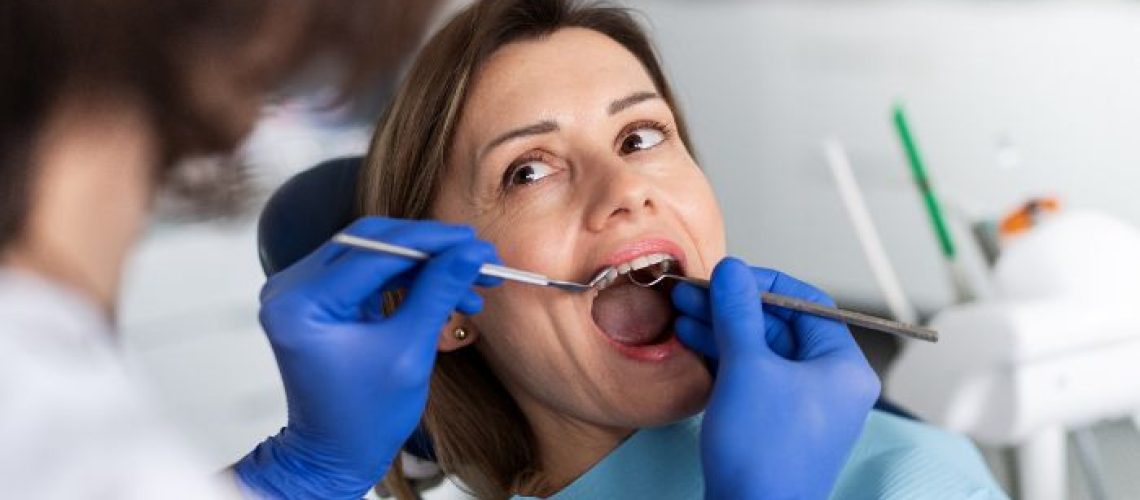

Dental implants are the best replacement for missing teeth, by mimicking the look, feel, and function of natural teeth.
An implant consists of three main components: a titanium post that acts as an artificial root and is placed in the jawbone to create stability, the implant’s abutment that connects the post to the crown, and the dental crown, which is the artificial tooth and the only visible part of the implant.
Just like natural teeth, implants require daily brushing and flossing, and regular dental checkups to prevent complications. Poor oral hygiene can lead to plaque buildup and the infection of the tissue surrounding the implant, both of which can result in implant failure.
What is dental plaque?
Plaque is a sticky layer of bacteria that accumulates on the surface of the teeth and gums because of poor dental hygiene. Over time, plaque can harden into tartar and can lead to various dental issues.
Plaque is a primary cause of gum disease (gingivitis) and can escalate to more severe conditions like periodontitis.
Do dental implants get plaque like natural teeth?
While implants are made from bacteria-resistant materials (typically titanium and zirconia), they can still collect plaque on the surface of the crown and around the gums, just like natural teeth.
If plaque collects around the implant site, especially around the gum line, the consequences can be significant and may compromise both the health of your gums and the stability of the implant itself.
What happens if plaque forms on dental implants?
When plaque forms on dental implants, it can lead to a series of complications similar to those that affect the natural teeth.
Some of these complications include gingivitis, periodontitis, tooth decay of the neighboring teeth, peri-implant mucositis, peri-implantitis, bone loss, implant failure, gum recession, and damage to the adjacent teeth.
Gingivitis and periodontitis: Signs of gum disease, or gingivitis, include red, swollen, and bleeding gums. If left untreated, this can progress to periodontitis, a severe gum infection that can damage the surrounding bone and tissues.
Tooth decay: While the artificial teeth and implants themselves cannot decay, the adjacent natural teeth can be affected by the bacteria buildup, leading to cavities, possible tooth loss, and other oral health issues.
Peri-implant mucositis: This condition is an early stage of inflammation around the implant, typically caused by plaque accumulation. Symptoms include redness, swelling, and bleeding of the gums around the implant. Treatment involves non-surgical cleaning and improved oral hygiene practices.
Peri-implantitis: If peri-implant mucositis is not treated, it can escalate to peri-implantitis, a more serious condition involving deep inflammation, bone loss, and possibly pus discharge. The pockets around the implant deepen, compromising its stability. Treatment for peri-implantitis includes scaling, root planing, and sometimes surgical intervention. In extreme situations, it might be necessary to remove the implant.
Bone loss: Plaque-induced inflammation can lead to the resorption of the bone that supports the implant, reducing its stability and potentially causing it to loosen.
Implant failure: Indicators of implant failure as a result of plaque accumulation include persistent discomfort, implant mobility, and the inability for them to function properly.
Gum recession: Plaque can cause the gum tissue to recede, expose the implant and abutment, and increase the risk of further bacterial colonization.
How can I prevent plaque buildup on my dental implants?
Preventing plaque buildup on dental implants is crucial for maintaining their longevity.
Dental implants are not difficult to keep clean, but they do require consistent and thorough care.
These are some ways to keep your implants plaque-free:
Proper oral hygiene routine
Brush your teeth with an electric or soft-bristled toothbrush daily, and make sure to clean all surfaces of your teeth and implant crowns. Electric toothbrushes are often more effective due to their consistent motion. Brush twice daily for at least two minutes, focusing on gentle brushing around the implant site to avoid damaging the surrounding tissue.
Traditional floss can be used around implants with the right technique. Slide the floss gently between the implant and the adjacent teeth, forming a C-shape around each side of the implant. Alternatives like interdental brushes and water flossers are excellent for reaching tight spaces and therefore may provide a more thorough clean.
Finally, rinse with an antibacterial mouthwash to reduce bacterial and plaque formation. Use mouthwash daily as part of your oral hygiene routine.
Regular dental visits and professional cleanings
Regular visits are crucial for the early detection and monitoring of plaque-related issues, and maintaining the overall health of your implant-supported restorations. Schedule check-ups and professional cleanings at least once every six months.
At Kootenai Dental Group in Coeur d’Alene, ID, our implant dentists Dr. Delwyn Dick, DDS and Dr. Miranda Anderson, DDS use special tools designed for cleaning around implants, ensuring a thorough and gentle cleaning.
Lifestyle factors
Maintaining a balanced diet low in sugary and acidic foods can help prevent tartar buildup.
Smoking can have detrimental effects on your implants, increasing the risk of complications like peri-implantitis. Quitting smoking and adopting a healthy diet can significantly enhance the success and longevity of your dental implants.
Detecting symptoms early on
If you notice any of the following signs and symptoms, be sure to schedule a dental appointment with one of our specialists right away. Regular checkups and early detection can help prevent long-term damage to your implants.
The earliest signs of plaque buildup typically show up in the form of bad breath, visible plaque or tartar, and mild gum inflammation.
More severe symptoms include severe gum inflammation, pain around the implant, noticeable swelling, or pus.

How to remove plaque from dental implants
Proper cleaning methods and dental care are essential to prevent bacterial plaque buildup and ensure the longevity of the implants.
The following tools and methods are effective in removing plaque from your teeth and maintaining optimal oral health.
Powered toothbrushes: Electric toothbrushes offer enhanced cleaning efficiency. Look for features such as timers, pressure sensors, and specific modes designed for implants to ensure thorough cleaning without damaging your gums.
Water flossers: These devices are highly effective at removing plaque and debris from around the implants. Use a water flosser daily, directing the stream of water around the implant and gum line for optimal results.
Interdental brushes: Our dentists can help guide you in choosing the right size interdental brush for effective cleaning around your implants. Gently insert the brush between your teeth and the implant, moving it back and forth to remove plaque.
Scaling and root planing: This deep cleaning method, also known as dental debridement, is typically performed by a dental professional using specialized tools and involves removing plaque, tartar, and bacterial toxins from below the gum line. While you should expect some mild discomfort during the process, remember it’s essential for preventing peri-implant diseases. Patients can expect a thorough and meticulous cleaning during this procedure.
Antibacterial treatments: Antibacterial rinses, gels, and pastes can be applied around the implant site to reduce bacterial growth. Use these products as directed by your dentist to maintain a clean and healthy implant environment.
Local antibiotic: In cases of significant bacterial infection, your dentist might prescribe local antibiotics. These are applied directly to the implant site to target and eliminate oral bacteria.
Ultrasonic cleaning devices: Ultrasonic devices are electronic tools that use high-frequency vibrations to remove hardened plaque and tartar.
Good oral hygiene practices and regular professional care are crucial for the health of both your natural teeth and dental implants, preventing plaque accumulation, and addressing any issues promptly.
At Kootenai Dental Group in Coeur d’Alene, ID, our team of specialists are committed to your oral health and ensuring that your implants remain healthy and functional for years to come.
To learn if you’re a good candidate for dental restorations like a dental implant procedure, veneers, or dental bridges, schedule your free consultation with Dr. Delwyn Dick, DDS, and Dr. Miranda Anderson, DDS.
Call us at 208-762-8750 today!
Frequently asked questions
Does food get under All-on-4 implants?
While All-on-4 implants, or implant-supported bridges, are designed to fit snugly, food debris can sometimes get trapped under the bridge. Using interdental brushes and water flossers can help clean these areas effectively.
Can you use a Waterpik with dental implants?
Yes, a Waterpik is safe and highly effective for cleaning around dental implants, as it can remove plaque and food particles from hard-to-reach areas.
Do dental implants need to be removed for cleaning?
No, dental implants are designed to be permanent fixtures in your mouth and do not require removal for cleaning. Regular professional cleanings and diligent oral hygiene practices are sufficient to maintain their health.