




Dental veneers are an affordable option for those seeking to enhance their smile.
Before committing to this procedure, most people wonder if it is a permanent treatment or if they can go back to their regular teeth after the procedure is complete. There is no straightforward or short answer to this question because in most cases, veneers are irreversible, however, they can be reversible in certain cases.
In this article, you’re going to learn about the differences between porcelain and composite resin veneers and the reversibility of each of these procedures.
What are dental veneers?
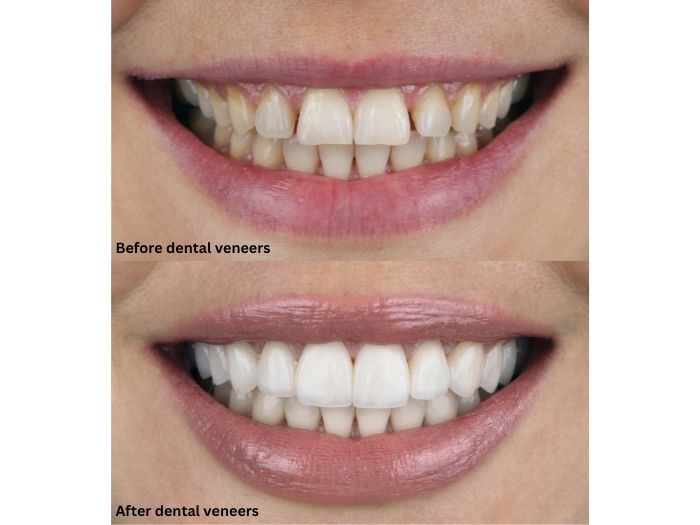
Dental veneers are thin, custom-made shells made from either porcelain or composite resin, which cover the front surface of your teeth. They offer a minimally invasive and highly effective solution for transforming the appearance of a person’s smile.
Veneers are customized to perfectly match the color, shape, size, and texture of natural teeth, resulting in a smile that looks and feels completely natural.
They are bonded to the front surface of teeth in order to create a strong and durable bond that can withstand normal biting and chewing forces.
Veneers are a popular cosmetic dentistry solution used to address a variety of dental imperfections and enhance the overall aesthetics of a person’s smile.
Common reasons for getting veneers
Dental veneers offer a versatile solution for a wide range of cosmetic concerns, including:
- Covering discoloration or staining that cannot otherwise be treated with traditional whitening methods
- Restoring the shape and size of chipped, cracked, or worn teeth
- Correcting minor misalignments or irregularities in tooth shape or size in order to improve dental alignment and create the illusion of straight teeth
- Close gaps or spaces between teeth to create a more uniform smile
By resolving these aesthetic issues, veneers can dramatically improve the appearance of the smile and thereby enhance self-confidence and self-esteem.
Types of veneers: Porcelain vs. Composite Resin
Both porcelain and composite veneers offer the patient the benefit of a radiant and attractive smile.
However, in order to answer the question about their reversibility, it’s important to first understand the key differences between each of these two options as they relate to material, durability, appearance, and their application process.
Material
Porcelain Veneers: Porcelain veneers are manufactured from a high-quality and strong ceramic material. They are custom-made in a dental laboratory based on impressions of the patient’s teeth.
Composite Veneers: Composite resin veneers are made from a tooth-colored composite material that is strong, but not as resilient as porcelain.
Durability
Porcelain Veneers: Even though they’re thin shells, porcelain veneers are highly durable and resistant to staining, chipping, and wear. With good care, porcelain veneers can last 10 to 15 years, if not longer. Porcelain veneers are renowned for their durability, which is why they’re such a popular choice for patients seeking long-lasting cosmetic enhancements.
Composite Veneers: Composite veneers are less durable than porcelain veneers and may be more prone to staining, chipping, or wearing down over time. They typically have a lifespan of around 5 to 7 years.
Appearance
Porcelain Veneers: Porcelain veneers closely mimic the translucent properties of natural tooth enamel, providing patients with the most natural-looking smile. They are highly customizable in terms of color, shape, and texture.
Composite Veneers: Composite veneers may not achieve the same level of translucency as porcelain veneers, but they can still provide a natural-looking result. They are less resistant to stains when compared to porcelain veneers.
Veneer Application Process
Porcelain Veneers: The process of getting porcelain veneers typically involves multiple visits to the dentist. The first step generally involves the removal of a small amount of natural enamel from the teeth to accommodate the veneers.
Tooth enamel is the hard, outermost layer of the tooth that protects it from decay and damage. Once removed, it cannot naturally regenerate.
For this reason, it’s crucial that this orthodontic treatment be performed by an experienced cosmetic dentist.
The dental professionals at Kootenai Dental Group in Coeur d’Alene, ID, Dr. Delwyn Dick, DDS and Dr. Miranda Anderson, DDS, have over 25 years of experience in smile makeovers including veneers, dental implants, dental crowns, and professional teeth whitening.
After the teeth are prepared, impressions are taken and sent to a dental laboratory for fabrication. Meanwhile, the patient receives temporary veneers to protect their teeth. Once the permanent veneers are ready, they are bonded to the teeth using a dental bonding agent.
Composite Veneers: Composite resin veneers are applied directly to the teeth and sculpted to achieve the desired shape and appearance. Then, the material is hardened with the use of a special light. In most cases, these type of veneers require minimal or no enamel removal. Composite veneers can be applied directly to the teeth in a single dental visit.
Reversibility of veneers
Permanent veneers offer you with a perfect and beautiful smile by enhancing the appearance of your teeth. This cosmetic solution is typically irreversible due to the changes made to the natural tooth structure.
Potential changes to the natural tooth surface
Being that porcelain veneers require some enamel to be removed, they are considered a permanent solution. Once they are placed, you cannot go back to your normal teeth without affecting the underlying tooth structure. However, this permanence is not necessarily a drawback, given the longevity and durability of porcelain veneers.
Composite resin veneers are a less invasive alternative to porcelain veneers with a higher potential for reversibility, but this largely depends on the condition of the underlying teeth and the expertise of the dentist performing the procedure. While it’s uncommon for patients to opt for veneer removal, it is technically feasible so long that the enamel wasn’t removed during the initial procedure. In any case, it’s crucial that a skilled cosmetic dentist perform this procedure to ensure the best outcome.
Restoring natural teeth appearance
The reversal process of dental veneers and restoring the teeth to their natural appearance requires careful assessment and personalized treatment planning by a skilled dentist.
At Kootenai Dental Group in Coeur d’Alene, ID, Dr. Delwyn Dick, DDS, and Dr. Miranda Anderson, DDS, provide each patient with a personalized care routine in order to help them achieve the optimal outcome in terms of their long-term oral health and desired results.
During the initial consultation, you can bring up any concerns you have. We’re happy to provide honest answers to give you peace of mind and help you make an informed decision about whether you’re a good candidate for this cosmetic dental procedure or discuss other treatment options that are available to you.
Call 208-762-8750 to schedule your first visit today!!
Most common questions:
How much tooth is removed for veneers?
The amount of tooth enamel removed for veneers typically ranges from 0.5 to 0.7 millimeters. This minimal reduction ensures a snug fit for the veneers while preserving as much natural tooth structure as possible.
The good news is that even though enamel removal is irreversible, the veneers themselves can be removed and replaced due to wear and tear, changes in fit, or aesthetic preferences.
What happens to your original teeth after veneers?
After veneers are applied, your original teeth undergo minimal alteration, typically involving the removal of a small amount of tooth enamel to accommodate the veneers.
The enamel removal is irreversible and can make your teeth more susceptible to sensitivity. However, the natural teeth remain largely intact under the veneers.
In any case, dental hygiene is crucial for preventing tooth decay and gum disease. Maintain good oral hygiene practices such as daily brushing, flossing, regular dental check-ups, and regular cleanings, to ensure the long-term dental health and stability of the rest of your teeth and gums.
To retain the appearance of your smile and increase the longevity of your new veneers, avoid foods and habits that can lead to dental problems, such as hard foods, sticky foods, red wine, cold foods, chewing on hard objects (like pen caps), and tobacco products.
Are teeth permanently damaged by veneers?
The placement of porcelain veneers involves the removal of a small amount of enamel from the surface of the teeth, therefore the process is irreversible. Composite veneers may not require enamel removal, in which case the procedure may be reversible.
Will my gums go back to normal after veneers?
After veneer placement, it’s normal to experience some discomfort, sensitivity, or gum irritation. This is usually temporary and should resolve as your gums begin to adapt.
If you experience persistent gum irritation or other issues after veneer placement, you should schedule a follow-up appointment for further evaluation. Minor necessary adjustments may be required to ensure a proper fit.
When considering veneers as a means to achieve a perfect smile, it’s important to understand all aspects of this procedure, including potential risks, benefits, and long-term maintenance requirements.
The best way to determine if this dental treatment is suitable for you is to consult with a qualified cosmetic dental specialist and discuss your expectations thoroughly.
Call our dental office at 208-762-8750 to discuss dental veneers and alternative treatments with our team of specialists today.